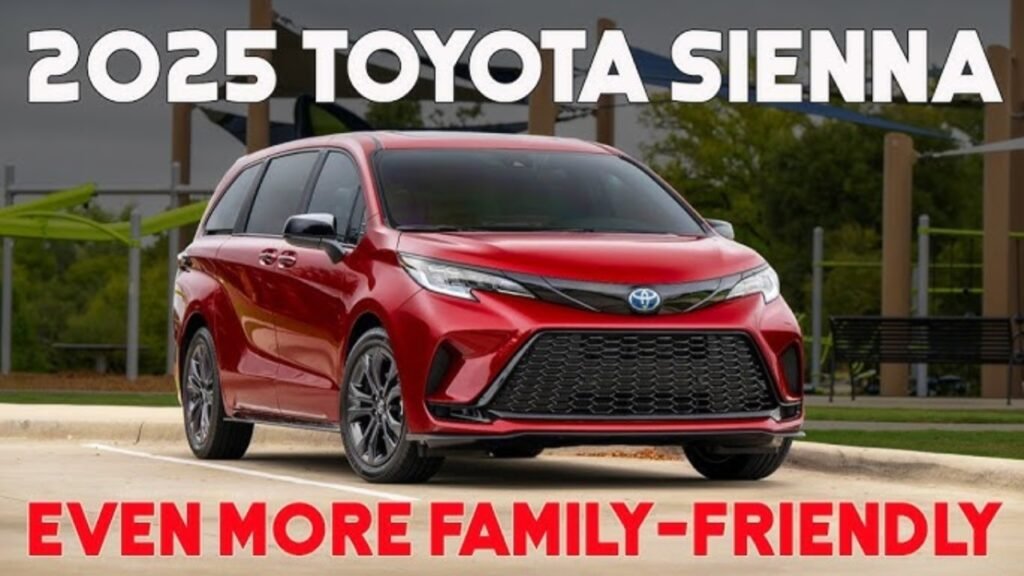
When you think of family travel, you might picture cramped SUVs, aching backs, or fuel stops every few hundred kilometers. The 2025 Toyota Sienna aims to change that picture. With hybrid efficiency, optional Toyota Sienna 2025 AWD, sculpted design, and a cabin built for first‑class comfort, this minivan pushes the boundary of what a family vehicle can be. In this deep dive, we explore every facet of the Sienna: powertrain, mpg, design, interior, safety, pricing, reviews, specs—and whether it truly fulfills its promise.
A Fresh Evolution, Not a Revolution
Toyota has taken a measured approach with the 2025 Sienna. Rather than reinventing the wheel, the automaker refines and enhances. The base hybrid architecture remains the same, but nearly every aspect you interact with has been revisited: infotainment, comfort features, safety alerts, and creature comforts. The goal is to keep the Sienna relevant, efficient, and appealing in a crowded space of family vehicles—but especially among hybrids and SUVs.
While the Toyota Sienna 2025 hybrid core is carried over, Toyota has added new touches: standard wireless Apple CarPlay and Android Auto, updated software, and on higher trims, a built‑in vacuum and mini refrigerator (FridgeBox). These features aim to boost usability in day‑to‑day family life. The hybrid system remains the backbone, which allows the Sienna to maintain strong fuel efficiency numbers and a smooth driving experience.
Powertrain & Hybrid Performance
At its heart, the 2025 Sienna runs a 2.5‑liter four‑cylinder engine coupled with electric motors. The system is optimized for hybrid operation, with a continuously variable transmission (e CVT) and power distribution that adapts to driving conditions. In FWD form, the hybrid produces a combined output in the vicinity of 245 horsepower. In AWD versions, an additional motor is mounted at the rear to drive the rear wheels when needed, enabling traction in slippery or inclement conditions.
The hybrid powertrain is tuned for reliability and efficiency rather than outright sportiness. Under light loads and city driving, much of the work is handled by the electric motors, enabling a quieter, more restful ride. When more power is required—such as during highway merging or uphill acceleration—the gasoline engine kicks in more aggressively. In AWD versions, the rear motor only engages under demand, so at many times propulsion is still handled by the front hybrid system.
One thing to note: AWD versions tend to carry a slight efficiency penalty compared to FWD, due to additional components and weight. But for buyers who live in climates with snow, rain, or muddy roads, the tradeoff is often worth it for the added confidence of all‑wheel drive.
The hybrid system also enables regenerative braking, helping to recapture energy under deceleration and reducing wear on the friction brakes. The way the system blends regenerative and friction braking can feel firm at times, but over time most drivers adapt to its feel.
Fuel Efficiency
One of the most important claims for the 2025 Sienna is the 36 MPG hybrid benchmark, and this is broadly credible (depending on trim and drive conditions).
-
In FWD configuration, the Sienna is rated at 36 mpg city / 36 mpg highway / 36 mpg combined under U.S. testing standards.
-
In AWD configuration, the combined number drops slightly—commonly to 35 mpg combined, with city nearer 35 mpg and highway still around 36 mpg.
-
Real‑world tests show some variation: in long highway runs, AWD models can average in the low 30s mpg, while real‑life mixed driving may reduce the average further depending on load, terrain, and driving style.
These numbers position the 2025 Toyota Sienna among the most fuel-efficient family minivans on sale. For families who rack up many kilometers per year, the hybrid MPG advantage can translate into significant fuel savings over time.
Of course, your actual fuel economy will depend heavily on driving behavior, traffic, weight aboard, road conditions, climate controls, and how often the vehicle is carrying a full complement of passengers or cargo.
Sculpted Design
A minivan carries a challenge: function dominates, but form matters—to buyers, at least. The 2025 Toyota Sienna endeavors to deliver both.
Front End & Lighting
The front fascia of the 2025 Sienna is more assertive than previous versions. The grille takes on sharper edges, with a bold central element flanked by sculpted LED headlamps. On higher trims, chrome or gloss black accents enhance visual contrast and premium feel. The daytime running lights and adaptive headlights tie into Toyota’s more modern styling language.
Side Profile & Sliding Doors
One subtle but impactful design choice is hiding the sliding‑door track rails so that the side profile appears cleaner and more unified. The body panels receive sharper creases and character lines, reducing large flat surfaces from looking bland. Roof rails are available for extra utility. Wheel designs vary by trim, giving visual hierarchy in the lineup.
Rear Design & Tail Lamps
At the back, sleek LED taillights wrap into the body, giving a wide visual stance. The rear liftgate is tall and opens wide, though Toyota chose not to adopt a split hatch/glass arrangement in this generation. A subtle rear spoiler, sculpted lower bumper, and modest chrome or black detailing complete the look.
Proportions & Presence
The Sienna’s footprint is generous—long, wide, and spacious—but its styling helps ease the visual heft:
-
Length: around 203.7 inches
-
Width: approximately 78.5 inches
-
Height: in the range of 68.5 inches (varies slightly by trim)
-
Wheelbase: around 120.5 inches
These dimensions give the Sienna a robust presence on the road. Despite its size, the styling tricks (hidden rails, sculpted surfaces) reduce the “minivan stigma” and help it look more refined than purely utilitarian.
In the 2025 refresh, Toyota also delivered better overall fit and finish: tighter panel gaps, improved material alignment, and more refined interior/exterior transitions, according to owner reports. Many note that the 2025 feels more put together than earlier versions.
Interior & First-Class Comfort in Every Mile
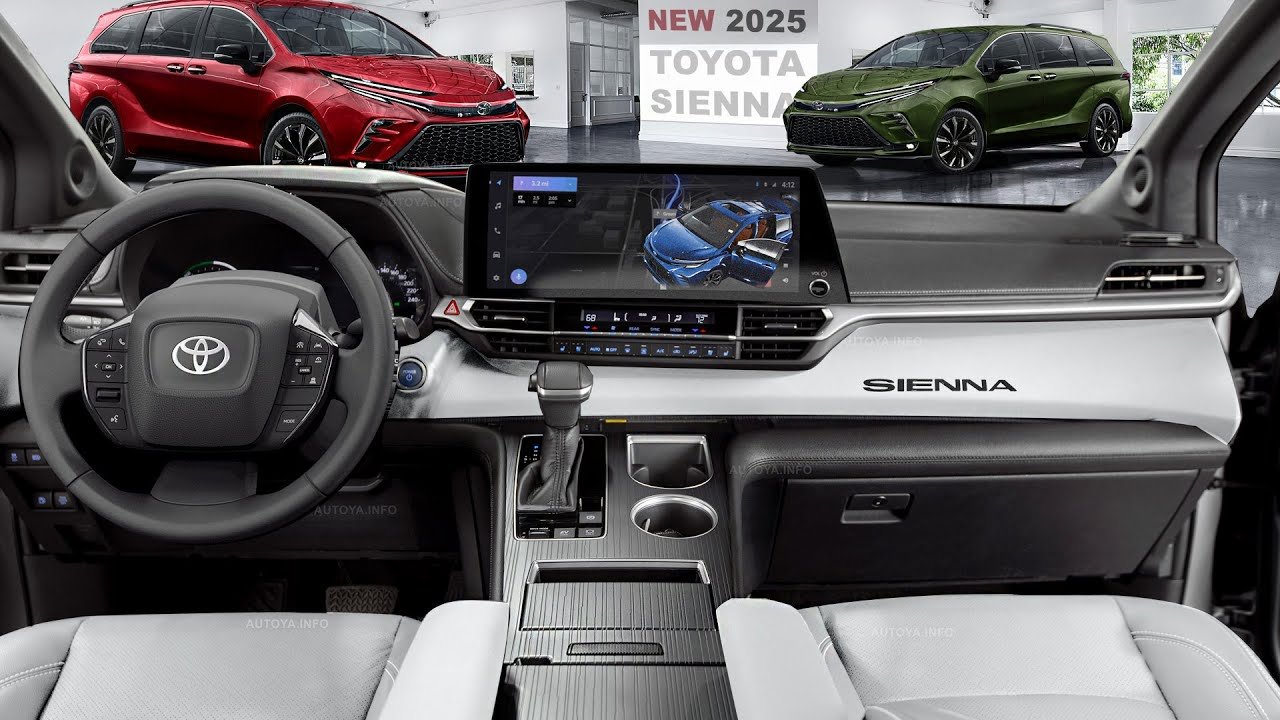
If a vehicle claims “first-class comfort,” the interior has to deliver. The Toyota Sienna 2025 interior is redesigned with usability, comfort, and family needs in mind—while keeping a premium feel in higher trims.
Seating Layout & Flexibility
Depending on trim and options, the 2025 Sienna can seat seven or eight. The base layout often includes a three-seat bench in row two (making eight seats), while higher trims use two captain’s chairs in row two (seven-seat layout). The jump seat is removable or stowable in some configurations, though many feedback threads note that second-row seats are not easily removable, and some users wished they were more flexible.
One standout feature is the Super-Long Slide second row (available in seven-passenger configs), which allows the middle seats to move fore and aft by as much as 25 inches. That flexibility helps when the third row is unused and you want to maximize legroom for the second row.
Legroom and headroom figures are competitive:
-
First row legroom: ~40.3 in
-
Second row legroom: ~39.9 in
-
Third row legroom: ~38.7 in
-
Headroom across rows is generous
Cargo space is also solid:
-
Behind third row: ~33.5 cu ft
-
Behind second row (with third folded): ~75 cu ft
-
With both rear rows folded: ~101 cu ft
Third‑row access, though, is not perfect. Some owners complain that the access path is a bit narrow or awkward, particularly when middle-row seats are in place. Also, unlike some competitors, the Sienna does not adopt a split rear glass hatch, which some feel would improve cargo usability in tight spaces.
Materials, Comfort & Finishes
Base trims come with durable cloth upholstery. Mid and higher trims introduce synthetic leather, leather, and more premium surfaces. Soft-touch materials, contrast stitching, ambient lighting (in higher trims), and trim accents (woodgrain, metallic, gloss) give higher variants a more refined feel.
Higher trims offer comfort enhancements such as:
-
Heated and ventilated front seats
-
Heated second-row seats (in top trims)
-
Power-adjustable driver and passenger seats
-
Panoramic moonroof or large glass roof options
-
Four- or tri-zone climate control
-
Sunshades or rear sunblinds
-
Ample storage bins, cup holders, and clever concealed cubbies
In upper trims (Limited or Platinum), Toyota introduces family‑friendly perks like a built‑in vacuum housed in the center console and a FridgeBox mini refrigerator that can cool or freeze items. These features are not just gimmicks—they address the reality of messy kids, snacks, and long trips. The vacuum hose can typically reach the second and third rows to help with debris cleanup.
Infotainment, Connectivity & Controls
One of the most significant interior upgrades in 2025 is the infotainment and connectivity suite. Key changes:
-
Base LE trim now receives an 8-inch touchscreen, while most other trims get a 12.3-inch screen
-
Wireless Apple CarPlay and Android Auto are standard across all trims
-
More USB‑C charging ports are included throughout, plus still a spare USB‑A port to support older devices
-
The new system is faster and more responsive, with better menu flow and optimized user interface
-
The Qi wireless charging pad has been improved, with faster charging and ridged edges to avoid phones sliding
-
An upgraded ECU allows for cybersecurity enhancements and improved call clarity (dual‑mic)
-
In higher trims: premium audio (JBL 12‑speaker), in-dash navigation, head‑up display, and rear entertainment screens
Toyota’s approach aims for balance—physical controls remain for functions you use often (climate knobs, volume, etc.), while many less-frequent controls shift to the screen.
The overall connectivity environment aims to feel seamless: phones pair wirelessly, devices can stay powered, rear-seat occupants can stay online, and navigation/infotainment feels modern. This is especially important when families spend many hours on the road.
Quietness & Ride Comfort
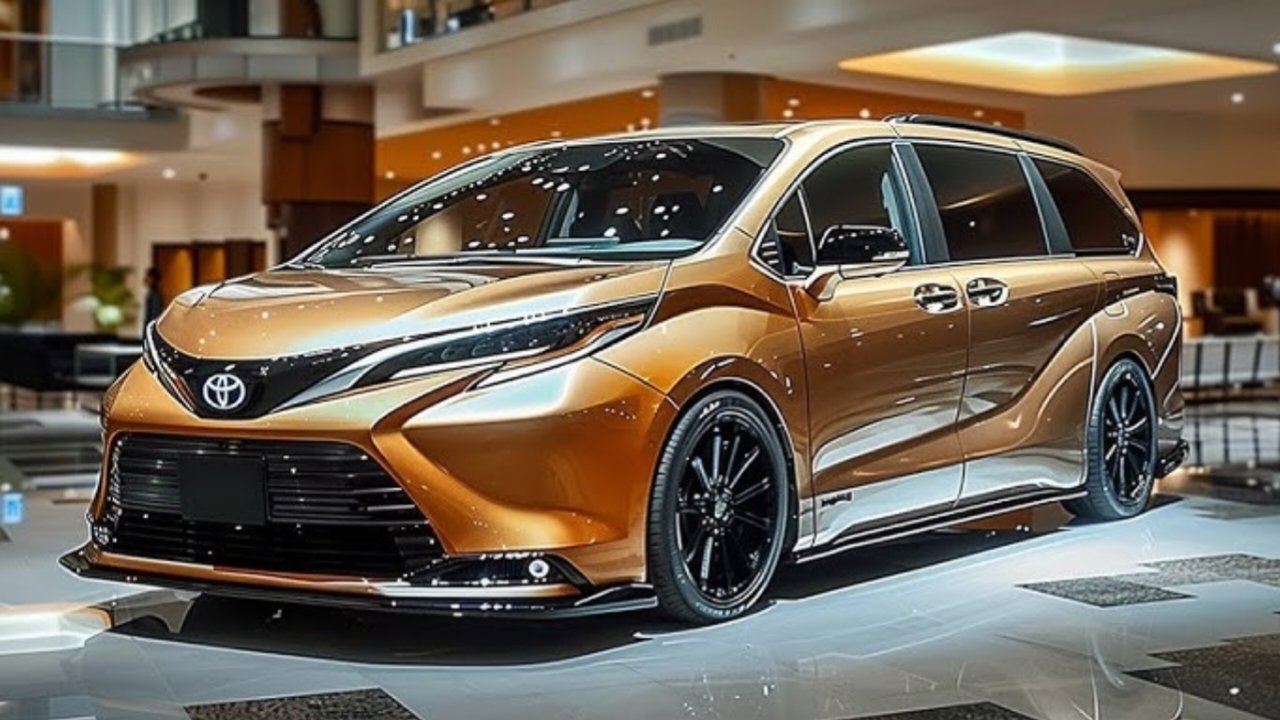
Toyota retains the same chassis and suspension tuning as the prior generation, but the emphasis on ride comfort remains. Suspension tuning is designed to absorb bumps, smooth over road irregularities, and prevent excessive body motion. Road and wind noise insulation is improved, though some owners still report occasional wind noise or HVAC cold spots in certain areas of the cabin.
Over long trips, the cabin’s comfort credentials shine: cushioning, seating ergonomics, and climate control help reduce fatigue. The generous seat travel and adjustability in the second row allow flexibility for tall passengers or custom arrangements during journeys.
Safety & Driver Assistance
Safety is non-negotiable in a family vehicle, and Toyota loads the 2025 Sienna with a robust suite of safety and driver‑assist systems. The Toyota Sienna 2025 safety features elevate both passive and active protections.
Core Safety & Toyota Safety Sense
At its core, the Sienna is equipped with Toyota Safety Sense (TSS) 2.0 (not the newest 3.0 or 2.5 in some models), including:
-
Pre‑collision system with pedestrian detection
-
Lane departure alert with steering assist
-
Lane tracing assist
-
Dynamic radar cruise control
-
Automatic high beams
-
Road sign assist
These features help mitigate collisions, maintain safe following distance, and assist lane keeping. While not the newest available system in Toyota’s arsenal, the TSS 2.0 suite is proven and reliable.
One consistent owner forum remark is that Toyota seems to have kept TSS 2.0 in the Sienna even though newer safety suites exist. Some speculate that reworking the Sienna’s architecture to support TSS 3.0 would require a major redesign.
Upgraded Rear Seat Reminder & Occupant Detection
One of the headline enhancements in 2025 is an advanced rear-seat alert system incorporating radar sensing. This system can detect motion or presence in the second and third rows after the driver exits. If motion is detected, the system escalates alerts: chimes, flashing hazard lamps, and even push notifications or automated calls (if connected to Toyota’s emergency services). This upgrade addresses a serious safety concern—leaving children, pets, or items behind in the back seats.
Supplemental Safety Tech
Beyond the core features, the Sienna includes or offers:
-
Blind‑spot monitoring and rear cross-traffic alert
-
Rear cross-traffic braking
-
Parking sensors (front and rear)
-
360° surround‑view cameras (on top trims)
-
Rearview and digital rearview mirror options
-
Advanced airbag systems (front, knee, side, curtain)
-
Adaptive front lighting
-
Improved crash structure and reinforcement
Real-World Caveats & Owner Feedback
Owners and forums highlight a few safety or system concerns:
-
Some document intermittent electronic power steering failures, leading to loss of assist or temporary stiff steering.
-
Lane-keep and lane-centering assists sometimes overcorrect or flicker when passing large vehicles.
-
A few report hybrid system warning codes (e.g. purge valve) early in ownership.
-
Some users mention spots in the cabin where heating or air conditioning is weak, which in cold climates could affect passenger comfort or safety perception.
-
Some wish the Sienna had been upgraded to TSS 3.0, arguing that the current safety package lags behind competitors.
Despite such feedback, the Sienna continues to earn high safety ratings: five-star overall in US NHTSA, strong scores in crash tests, and recognition in safety awards.
Trim Levels & What You Get (Toyota Sienna 2025 Features)
Understanding the lineup helps prospective buyers see where features fall. The Toyota Sienna 2025 features are arranged in sensible progression across trims.
Available Trim Levels & Price Tiers
The typical trims for 2025 are (names may vary slightly by market):
-
LE (base)
-
XLE
-
XSE
-
Woodland Edition (AWD theme)
-
Limited
-
Platinum
Starting MSRPs in U.S. markets are roughly:
-
LE FWD: ~$39,485
-
LE AWD: ~$41,485
-
XLE: ~$44,295
-
XLE AWD: ~$46,295
-
XSE: ~$46,940
-
XSE AWD: ~$47,830
-
Limited: ~$50,500
-
Limited AWD: ~$52,500
-
Woodland Edition AWD: ~$50,725
-
Platinum: ~$56,445
-
Platinum AWD: ~$57,205
These base prices exclude destination charges, taxes, and local adjustments.
Feature Progression & Differentiation
Each step up typically adds more comfort, technology, and convenience:
-
LE: Basic hybrid drivetrain, cloth seats, standard safety suite, 8″ touchscreen, wireless smartphone integration
-
XLE: Upgraded interior materials, power features, better infotainment, upgraded climate control, additional driver aids
-
XSE: Sport styling cues, upgraded suspension tuning, more premium accents
-
Woodland Edition: Themed off-road styling cues, rugged character, AWD standard
-
Limited: Leather seats, heated/ventilated fronts, power liftgate, upgraded wheels, advanced safety and comfort features
-
Platinum: Flagship with full features: built-in vacuum, FridgeBox refrigerator, premium audio, digital cluster, head-up display, 360° camera, and exclusive materials
When writing your article, highlight standout perks: the built-in vacuum and fridge in top trims, upgraded screens and wireless smartphone options, and luxury touches like heated second-row seats or premium trim surfaces.
Price & Ownership Considerations (Toyota Sienna 2025 Price)
Price and cost of ownership are pivotal when families evaluate long-term value. Let’s look at what owning a 2025 Sienna might cost beyond the sticker.
Base Pricing & Trim Differentiation
The base LE trim offers the core hybrid experience at the most accessible price. From there, each trim step adds features and commands a price premium—especially for AWD, luxury options, and the built-in vacuum/fridge package. Be sure to mention to readers that high-end trims can add substantially to cost, so balancing must-have features versus optional upgrades is key.
Additional Costs & Depreciation
-
Dealers may charge markups or manage allocations in high-demand areas.
-
Optional accessories, extended warranties, and local taxes can significantly alter final cost.
-
Insurance and registration fees in many regions rise with vehicle value and powertrain type.
-
Hybrid systems tend to introduce battery or electric component long-term maintenance, though Toyota’s hybrid reputation is generally strong.
-
Depreciation: The Sienna tends to retain value well in many markets, particularly because of hybrid efficiency and brand strength.
Real Owner Insights
From owner forums:
-
Some buyers order their 2025 Sienna months in advance due to allocation constraints.
-
A few report early engine/hybrid warnings (like purge valve errors) shortly after delivery, though many of these clear themselves or are resolved under warranty.
-
Some owners note that a spare tire is not always included and is often an optional add-on, which can be costly post-production.
-
Many owners praise how far a full tank can go—some report over 900 km of range in normal use, depending on driving style and conditions.
These real-world insights help paint not just the sticker cost, but the living cost and experience of owning the 2025 Sienna.
Reviews & Real-User Feedback (Toyota Sienna 2025 Reviews)
What do media experts and everyday owners say? Here’s a synthesis of Toyota Sienna 2025 reviews and user commentary.
Professional & Media Impressions
-
Many reviewers praise Toyota’s decision to keep the hybrid system strong and continue offering AWD.
-
The improved infotainment system—especially wireless smartphone connectivity and larger screens—is widely applauded as one of the biggest gains for 2025.
-
The advanced radar-based rear-seat alert is often called a meaningful upgrade in safety.
-
The built-in vacuum and fridge features stand out as clever, family-savvy touches.
-
On the flip side, reviewers note that the driving experience is utilitarian; acceleration is sufficient but not brisk, and the hybrid engine can be vocal under load.
-
Some point out that Toyota’s decision to retain TSS 2.0 (rather than upgrading to TSS 3.0 or higher) is a mild disappointment given the competitive landscape.
-
In highway tests, AWD units deliver mpg in the low 30s, which is respectable given their size and weight.
-
The Sienna continues to earn five-star safety ratings, contributing to its appeal for families.
Owner Feedback & Real-World Use
Owner forums and Reddit threads are rich with hands-on observations:
-
Comfort & HVAC: Some owners note cold spots in rear seats or weaker heating in certain cabin corners.
-
Third-row access: Getting into the third row with middle-row seats in place can be tedious—some regret the lack of better sliding or fold mechanisms.
-
Cargo usability: Many complain that the rear hatch is a single liftgate only; they would prefer a separate rear glass door for quicker access to small items.
-
Power steering issues: A handful report steering failures or assist blackouts in early days of ownership—these are rare but concerning.
-
Build quality: Some note carpet or interior panels that seem loose or under-glued, and more cabin noise than expected in certain trims.
-
Wireless connectivity and screens: Most praise the seamless wireless CarPlay / Android Auto pairing and responsive displays.
-
Range & fuel: Several owners are impressed by how many kilometers they can cover per tank; others see real-world mpg fall short of the ideal numbers in demanding driving.
-
Warranty & dealer experience: Many claim the dealership service is responsive and warranty coverage (especially for hybrid components) provides peace of mind.
These mixed but mostly positive user voices help ground the marketing narrative in reality.
2025 Toyota Sienna Specs Summary (Toyota Sienna 2025 Specs)
Here’s a consolidated specs sheet for quick reference and clarity:
| Spec | Value / Range |
|---|---|
| Engine | 2.5 L inline-4 hybrid + electric motors |
| Combined Horsepower | ~245 hp |
| Torque | ~176 lb-ft (gas) + motor torque |
| Drive Layout | FWD standard, AWD optional |
| Transmission | eCVT (hybrid continuously variable) |
| Fuel Economy (FWD) | ~36 mpg city / 36 mpg highway / 36 mpg combined |
| Fuel Economy (AWD) | ~35 mpg combined (35 city / 36 highway) |
| Seating Capacity | 7 or 8 (depending on trim) |
| Cargo Volume | ~33.5 cu ft (behind 3rd) / ~75 cu ft (behind 2nd) / ~101 cu ft (max) |
| Length / Width / Height | ~203.7 in / ~78.5 in / ~68.5 in |
| Wheelbase | ~120.5 in |
| Towing Capacity | ~3,500 lbs (when properly equipped) |
| Curb Weight | ~4,610 to 4,725 lbs (varies by trim) |
| Safety Suite | TSS 2.0 (pre-collision, lane assist, cruise, etc.) + radar rear-seat alert + blind-spot / cross traffic / cameras etc. |
| Infotainment | 8″ (base) / 12.3″ (others), wireless CarPlay / Android Auto, multiple USB‑C ports, wireless charger, premium sound in upper trims |
| Special Features | Built-in vacuum, FridgeBox, panoramic roof, head-up display, 360° camera (in top trims) |
This spec summary can be used as a sidebar or quick reference box in your full article layout.
Strengths, Trade-Offs & Verdict
Strengths
-
Outstanding fuel efficiency for a seven‑ or eight-seater, especially in FWD form.
-
Availability of AWD gives extra confidence in variable climates.
-
Refined styling with clever visual treatments that soften the minivan look.
-
Interior comfort, usability, and flexibility: long second-row slide, strong leg/headroom, good storage.
-
Tech and connectivity upgrades make daily use smoother—wireless smartphone integration, faster UI, more USB‑C ports.
-
Family‑friendly extras like built-in vacuum and fridge show Toyota understands the real demands of travel.
-
Strong safety credentials and the novel radar-based rear-seat alert increase peace of mind.
-
Value retention and Toyota reputation in hybrid reliability support the resale case.
Trade-Offs & Limitations
-
Driving dynamics are unexciting—it’s not sporty, acceleration is adequate but not thrilling.
-
AWD versions lose a bit in efficiency, though the tradeoff is understandable.
-
Safety suite is not the latest, as Toyota retains TSS 2.0 rather than jumping to newer versions.
-
Some quality and comfort inconsistencies reported by owners (steering glitches, HVAC cold spots, panel fit) are concerning.
-
Third-row access and cargo usability have compromises—some families may find these areas wanting.
-
Real-world mpg deviations: heavier loads or demanding terrain can drop efficiency below ideal figures.
-
Optional extras and high trims add up in cost, so buyers must balance desirables.
-
Dealer allocation and wait times may frustrate buyers in high-demand markets.
Verdict
The 2025 Toyota Sienna is an excellent choice for families who demand efficiency, comfort, and utility without compromising too much on style and modern features. It is not a performance machine, but it doesn’t need to be—its value lies in making everyday travel less of a burden and more of a pleasure.
If your audience is considering a minivan, especially for long drives, school runs, road trips, or mixed climates, the Sienna stands out among its peers. For someone who wants both 36 MPG hybrid capability and first-class comfort, the 2025 Sienna is one of the strongest candidates in its class.